
In the ever-evolving landscape of video game development, Respawn Entertainment has carved out a reputation as a studio that consistently delivers quality experiences. Since its inception, the company has demonstrated a remarkable ability to innovate across genres while maintaining a strong connection with its player base. As we look ahead to 2026, Respawn's portfolio continues to expand, building upon the foundation established by their earlier releases and pushing the boundaries of interactive entertainment.
The Experimental Ventures
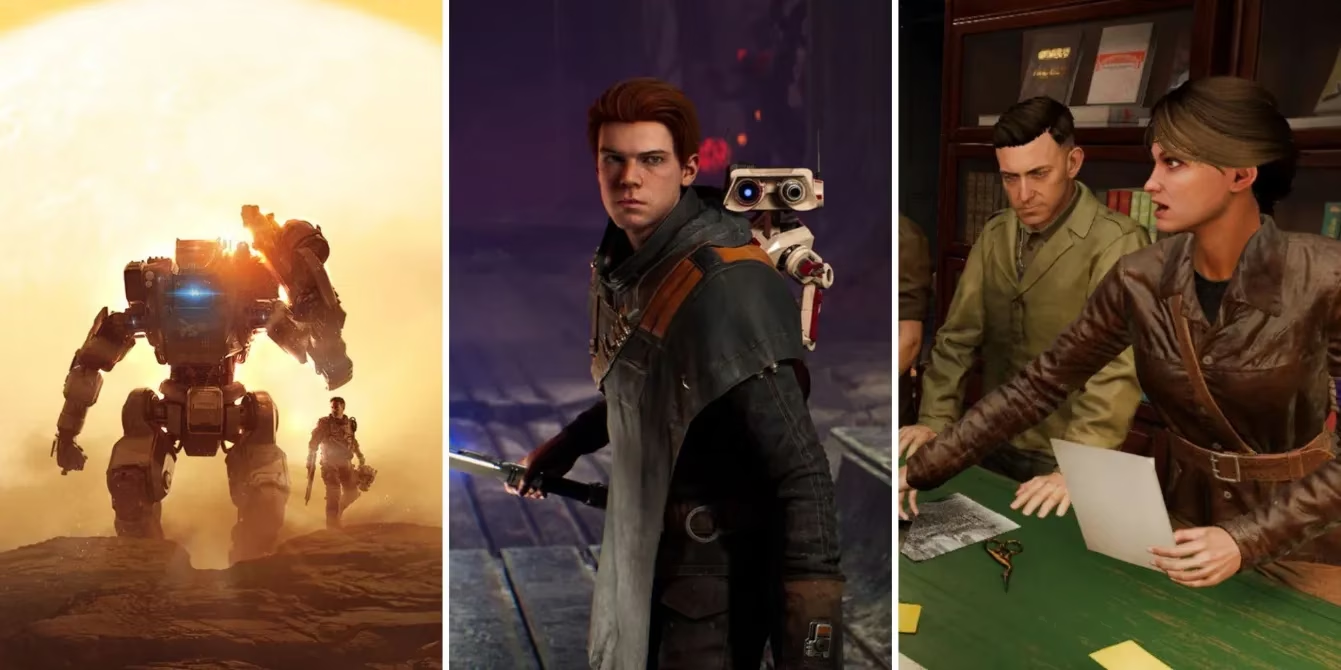
Respawn Entertainment's journey hasn't been without its experimental phases. Medal of Honor: Above and Beyond, released in 2020, marked the studio's first foray into virtual reality gaming. Like a skilled chef attempting molecular gastronomy for the first time, Respawn's VR debut showed ambition but faced initial technical challenges. Players reported issues with movement mechanics and graphical fidelity that dampened the otherwise promising World War II experience. However, true to their responsive nature, the developers have continued refining the experience through updates and patches.
Another experimental project was Titanfall: Assault, a 2017 mobile real-time strategy game that served as a spinoff from the main Titanfall universe. This venture was like a brilliant but short-lived comet—bright and innovative but with limited staying power. The game's servers were officially closed in July 2018, making it one of Respawn's shortest-lived projects. These experimental titles demonstrate the studio's willingness to explore new platforms and genres, even when success isn't guaranteed.
The Foundation: Titanfall Series
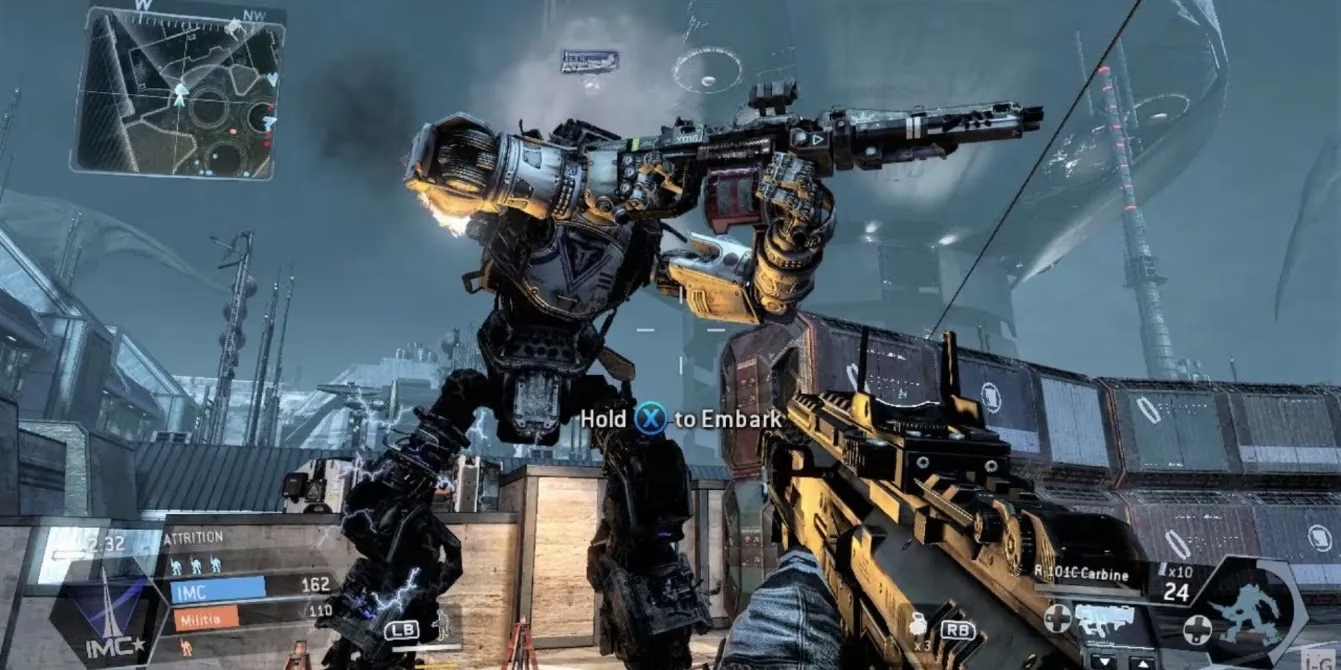
The Titanfall series represents the bedrock upon which Respawn built its reputation. The original 2014 release revolutionized the first-person shooter genre with its seamless blend of parkour movement and giant mech combat. Players could switch between agile Pilot gameplay and commanding massive Titans with fluidity that felt like a perfectly choreographed dance between hummingbird and bulldozer. Despite its aging servers and vulnerability to hacking in later years, the original Titanfall established core mechanics that would influence the studio's future projects.
Titanfall 2 (2016) elevated the formula to new heights, particularly through its critically acclaimed single-player campaign. The emotional journey of Pilot Jack Cooper and his Titan BT-7274 created one of gaming's most memorable partnerships—a relationship that felt like watching a master swordsman train their apprentice while the apprentice simultaneously taught the master about humanity. The campaign's innovative level design and heartfelt storytelling demonstrated Respawn's ability to craft compelling narratives alongside solid multiplayer foundations.
The Breakout Successes
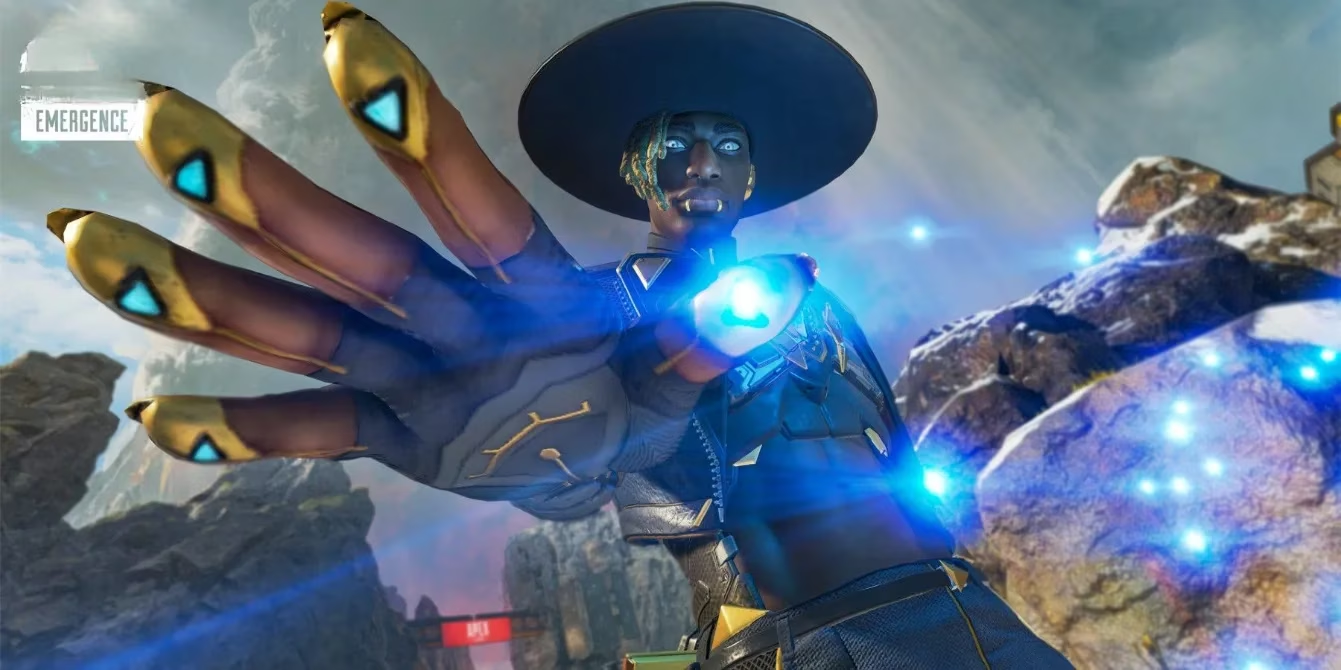
Apex Legends (2019) represented Respawn's successful entry into the battle royale genre, and by 2026, it has evolved into a cultural phenomenon. The game's character-based approach to battle royale mechanics created a vibrant ecosystem where each Legend brings unique abilities to team-based combat. Regular updates have introduced:
-
New characters with diverse backgrounds and abilities
-
Expanded maps offering varied tactical environments
-
Cross-platform play enabling broader community interaction
-
Narrative events that deepen the Titanfall universe connections
The game's continued success demonstrates Respawn's commitment to live service excellence, with the studio regularly balancing gameplay while introducing fresh content that keeps the experience engaging for both new and veteran players.
Genre Expansion: Star Wars Jedi Series
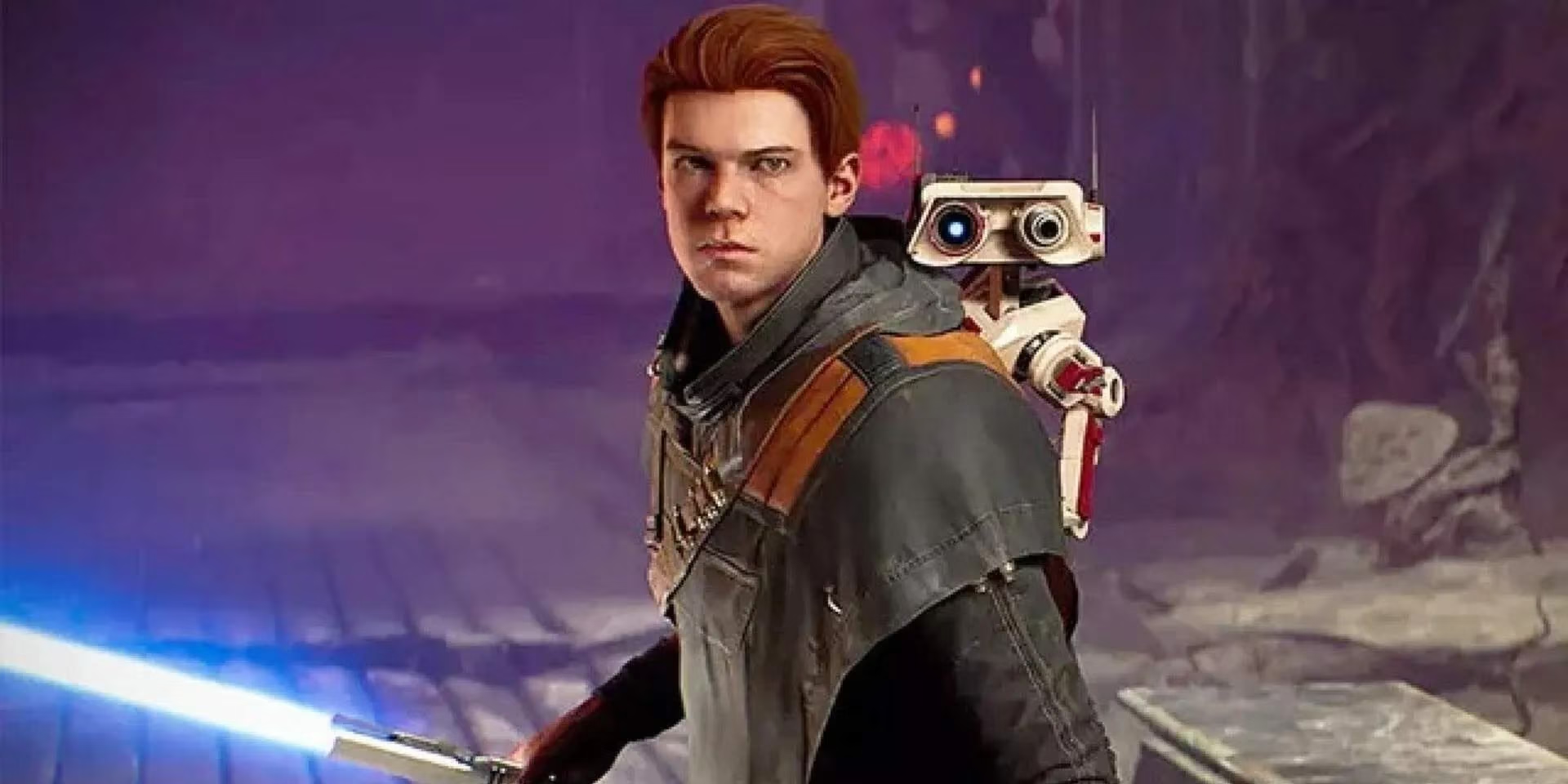
With Star Wars Jedi: Fallen Order (2019), Respawn proved their versatility by delivering a critically acclaimed action-adventure experience. The game masterfully blended Souls-like combat with Metroidvania exploration elements, creating a Star Wars story that felt both fresh and authentic. Players guided Cal Kestis through a galaxy recovering from Order 66, uncovering secrets and rebuilding the Jedi Order piece by piece.
The sequel, Star Wars Jedi: Survivor (2023), expanded upon this foundation with:
| Feature | Improvement Over Fallen Order |
|---|---|
| Combat System | More fluid lightsaber styles and Force abilities |
| Exploration | Larger, more interconnected environments |
| Character Development | Deeper relationships and moral choices |
| Technical Performance | Enhanced graphics and smoother gameplay |
These titles demonstrated that Respawn could excel outside their first-person shooter comfort zone, creating experiences that appealed to both Star Wars fans and general action-adventure enthusiasts.
Looking Toward the Future
As of 2026, Respawn Entertainment stands at an interesting crossroads. The studio has multiple projects in development, including rumored new entries in both the Titanfall and Star Wars franchises. Their development philosophy appears to balance three key elements:
-
Technical Innovation - Pushing graphical and gameplay boundaries
-
Narrative Depth - Creating emotionally resonant stories
-
Community Engagement - Listening to player feedback for iterative improvements
The studio's journey from Titanfall to their current portfolio demonstrates a growth pattern similar to a master artisan expanding their craft—starting with a specialty (first-person shooters), mastering it, then gradually incorporating complementary skills (action-adventure, VR, mobile) to create a more diverse body of work.
Respawn's ability to learn from less successful experiments while building upon their triumphs has created a development culture that values both innovation and refinement. As they continue developing new experiences, players can expect the same attention to detail and commitment to quality that has become the studio's trademark. Whether returning to familiar universes or exploring new ones, Respawn Entertainment's future projects will likely continue their tradition of delivering memorable gaming experiences that resonate with players across genres and platforms.